As a special education teacher, I’ve witnessed firsthand the transformative power of integrating music and art into the educational experience of students with special needs. Over my years in the classroom, I’ve seen children who struggle with traditional learning methods suddenly light up and engage when presented with creative opportunities that speak to them on a different level.
Understanding the Impact of Music and Art Integration
When we talk about holistic development for special education students, we’re referring to addressing all aspects of a child’s growth – cognitive, emotional, social, and physical. Traditional educational approaches sometimes fall short in reaching students with diverse learning needs. This is where music and art integration comes in as a powerful alternative pathway to learning and development.

Art and music aren’t just “fun activities” to fill time – they’re sophisticated tools that can help students process information, express themselves, and develop crucial skills in ways that traditional instruction sometimes cannot achieve.
According to research from The Kennedy Center, arts integration is “an approach to teaching in which students construct and demonstrate understanding through an art form. Students engage in a creative process which connects an art form and another subject area and meets evolving objectives in both.”
The Multifaceted Benefits for Special Education Students
The benefits of integrating music and art into special education programs are remarkably diverse:
- Enhanced communication skills through non-verbal expression
- Improved sensory processing and integration
- Development of fine and gross motor skills
- Increased attention span and focus
- Boosted self-confidence and self-esteem
- Strengthened social connections and peer relationships
- Enhanced emotional regulation and coping skills
I’ve seen students who struggle to express themselves verbally create breathtaking artwork that communicates their thoughts and feelings more effectively than words ever could. I’ve watched children with attention challenges become completely absorbed in musical activities, demonstrating focus that carries over into other learning areas.
Music as a Therapeutic and Educational Tool
Music naturally engages multiple parts of the brain simultaneously, making it a powerful tool for students with special needs. The rhythmic patterns in music provide structure and predictability that many children find comforting and organizing.
According to the American Music Therapy Association, “Music therapy interventions can address development in cognitive, behavioral, physical, emotional, social, and communication domains.”
Practical Music Integration Strategies
Here are some effective ways I’ve integrated music into my special education classroom:
- Using songs with movement to teach concepts (like the alphabet or counting)
- Creating simple instruments from everyday materials to explore sound and rhythm
- Using background music to signal transitions between activities
- Teaching emotional regulation through music that expresses different feelings
- Using rhythm activities to develop listening skills and coordination
One particularly successful activity involved creating a classroom “mood music” library. Students learned to identify how different music made them feel, and they could request specific songs when they needed help regulating their emotions. This simple tool helped several students develop greater self-awareness and coping strategies.
Art as a Medium for Expression and Skill Development
Art activities offer special education students unique opportunities to express themselves and develop crucial skills. Through art, students who struggle with verbal expression can communicate visually, often revealing thoughts and feelings they cannot articulate with words.
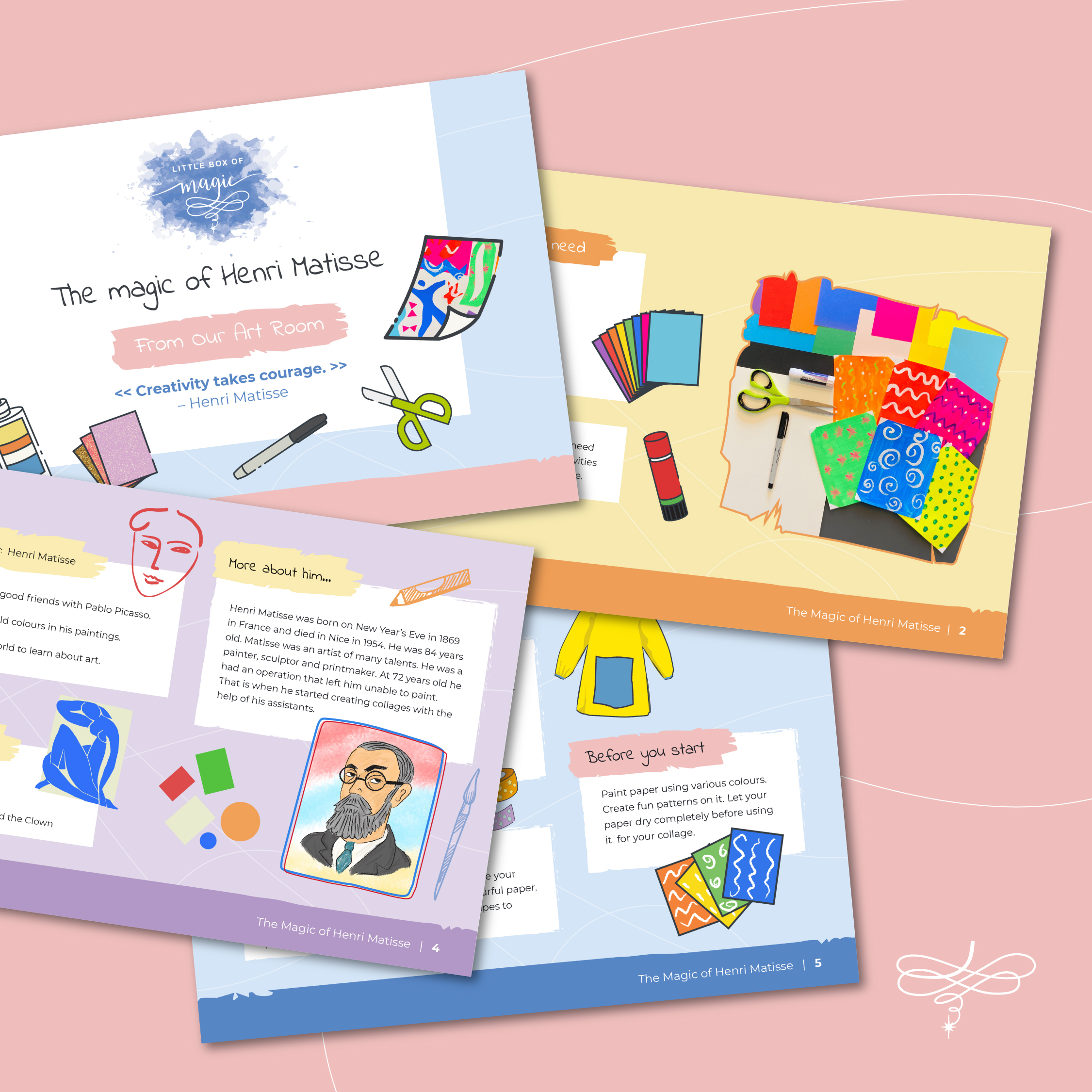
At Little Box of Magic, we’ve seen how carefully designed art projects can empower students by giving them a voice and a sense of accomplishment. The pride on a student’s face when they complete an art project is truly priceless.
Multisensory Art Approaches
Many students with special needs benefit tremendously from multisensory learning experiences. Art naturally lends itself to engaging multiple senses:
- Tactile experiences through different materials and textures
- Visual stimulation through colors and patterns
- Fine motor skill development through manipulation of tools and materials
- Spatial awareness development through composition and design

Our multisensory art approaches are specifically designed to engage students across these different domains, providing rich learning experiences that address multiple developmental needs simultaneously.
For example, a simple finger painting activity engages tactile senses, develops fine motor skills, teaches color concepts, and allows for emotional expression – all at once. This is the power of integrated art education.
Creating a Supportive Environment for Creative Expression
For arts integration to be truly effective with special education students, we need to create environments that support creative expression while providing appropriate structure. Finding this balance is key.
Physical Space Considerations
The physical environment can significantly impact a student’s ability to engage with art and music:
- Create distinct areas for different activities to help with transitions
- Consider sensory needs like lighting and acoustics
- Ensure materials are accessible and organized
- Provide visual supports and schedules
- Allow for both group and individual work spaces
I find that having a dedicated “creation station” in the classroom with clearly organized materials helps students feel comfortable exploring artistic activities. Visual cues showing where materials belong help students develop independence and responsibility.
Emotional Safety and Creative Freedom
Unleashing creativity in special education requires establishing an emotionally safe environment where students feel comfortable taking risks and expressing themselves. This means:
- Celebrating effort rather than just end results
- Avoiding rigid expectations about what art “should” look like
- Providing appropriate scaffolding for success
- Modeling creative risk-taking and problem-solving
I always emphasize that in our art activities, there are no “mistakes” – only opportunities to try something different. This mindset helps reduce anxiety and encourages students to explore and express themselves more freely.
Integrating Music and Art Across the Curriculum
The true power of arts integration comes when we weave music and art throughout the entire curriculum, rather than treating them as separate “special” activities. This approach reinforces learning across domains and helps students make meaningful connections.
Cross-Curricular Examples
Here are some examples of how I’ve integrated arts across different subject areas:
- Math: Creating visual patterns with art materials to understand mathematical sequencing
- Reading: Illustrating stories to demonstrate comprehension and interpretation
- Science: Using music to memorize the planets or water cycle
- Social Studies: Creating art inspired by different cultures to develop understanding and appreciation
- Social Skills: Collaborative art projects that require communication and cooperation
One particularly successful project involved students creating a visual timeline of historical events using different art techniques to represent different time periods. This project engaged visual learning, reinforced sequencing skills, and made abstract historical concepts more concrete and memorable.
The Role of Art Therapy in Special Education
While all students benefit from creative arts, formal art therapy offers additional benefits for many students with special needs. Art therapy goes beyond art education by using the creative process intentionally to address specific therapeutic goals.
Art therapists are specially trained to use art as a tool for addressing emotional, behavioral, and developmental needs. They can work alongside educators to provide complementary support for students.
How Art Therapy Differs from Art Education
While there is overlap, art therapy and art education serve different primary purposes:
- Art Education: Focuses on teaching artistic skills, concepts, and appreciation
- Art Therapy: Uses art creation as a therapeutic tool to address specific goals
In my classroom, I incorporate elements of therapeutic art approaches while recognizing when a student might benefit from working with a trained art therapist for more specialized support.
Overcoming Implementation Challenges
Despite the clear benefits of arts integration, educators often face challenges when implementing these approaches in special education settings. Common obstacles include:
- Limited resources and materials
- Time constraints within the curriculum
- Lack of training in arts integration techniques
- Pressure to focus on standardized testing content
- Diverse student needs within one classroom
Practical Solutions for Common Challenges
Here are some strategies I’ve used to overcome these challenges:
- Start small with simple integration activities
- Build a collection of adaptive art tools gradually
- Partner with local arts organizations for support
- Create a “materials donation” program with families
- Document student progress to demonstrate program value
- Share success stories with administrators and colleagues
I’ve found that starting with just one integrated arts activity per week can build momentum. As students respond positively and demonstrate growth, it becomes easier to advocate for expanding these approaches.
Assessing Progress and Growth Through the Arts
Assessing student progress through arts activities requires looking beyond traditional metrics. The beauty of arts integration is that it allows us to see growth and understanding demonstrated in diverse ways.
Alternative Assessment Approaches
Here are some effective ways to assess student progress through arts integration:
- Portfolio development showing work over time
- Photo or video documentation of the creative process
- Student self-reflection (adapted to communication abilities)
- Observation checklists focusing on specific skills
- Rubrics that emphasize growth rather than comparison
I find that creating “before and after” documentation of student work is particularly powerful. It clearly shows progress over time and helps students recognize their own growth, building confidence and motivation.
Empowering Students Through Creative Voice
Perhaps the most profound benefit of arts integration for special education students is the sense of empowerment it provides. When students who may struggle in traditional academic areas discover they can express themselves and succeed through creative means, it transforms their self-perception.

Building Confidence and Independence
Through integrated arts experiences, students develop:
- Confidence in their abilities to create and express
- Independence in making artistic choices
- Problem-solving skills when faced with creative challenges
- Pride in their accomplishments
- A sense of identity as capable creators
I’ve watched students who are typically hesitant to participate in class activities gradually become leaders during art integration projects. The confidence they develop often carries over into other areas of their learning and social interactions.
Partnering with Families for Creative Development
The impact of arts integration is amplified when families are involved in the process. By sharing strategies with parents and caregivers, we can extend the benefits of creative expression beyond the classroom.
Strategies for Home-School Connection
Here are some ways I’ve successfully engaged families:
- Sending home simple extension activities related to classroom arts projects
- Creating family art nights where parents and children create together
- Sharing resources about local community arts programs
- Documenting and sharing student creative work regularly
- Providing ideas for low-cost art materials families can use at home
Many parents tell me they’re unsure how to support their child’s creative development at home. I’ve found that providing specific, accessible ideas helps families feel more confident in engaging in these activities together.
Conclusion: The Transformative Power of Arts Integration
After years of integrating music and art into my special education classroom, I’m more convinced than ever of their transformative power. I’ve seen students who struggle with traditional learning methods thrive when given creative pathways to express themselves and develop skills.
The beauty of arts integration is that it doesn’t require abandoning academic goals – rather, it provides alternative routes to achieving those goals while simultaneously developing the whole child. It recognizes that learning happens in many different ways and that all students deserve multiple pathways to success.
Whether through the rhythmic patterns of music that help organize thoughts and movements, or through the expressive freedom of visual arts that give voice to those who struggle with words, creative arts offer unique and powerful tools for supporting the holistic development of special education students.
By embracing these approaches, we not only help our students develop academically, but we also nurture their emotional well-being, social connections, and sense of self-worth. In doing so, we help them discover their unique voices and gifts – perhaps the most important educational outcome of all.